Delaware college collaboration launches clean water initiative
Four First State colleges are partnering on a project devoted to protecting Delaware’s water quality. To learn more click link here.

Four First State colleges are partnering on a project devoted to protecting Delaware’s water quality. To learn more click link here.
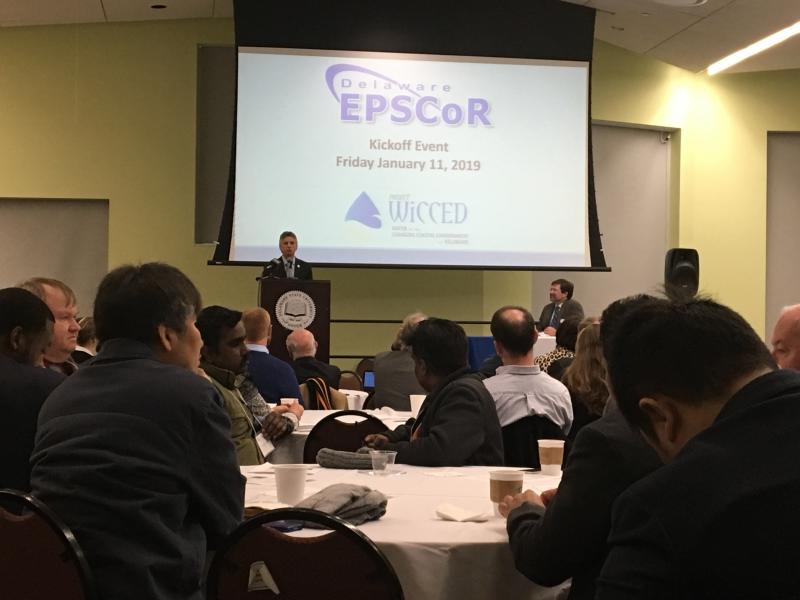
DOVER, Del. – Delaware state leaders and faculty members at Delaware State University celebrated a $19.2 million dollar grant that will help fund research to solve several water issues in the First State.
“There are water quality issues mostly at the southern part of our state because of the legacy of agriculture production in those areas and the poultry industry, so it will inform some of the decision making we have around that,” said Governor John Carney.
Officials add things like rising sea levels and water contamination are reasons why the quality of water in the state has dipped.
“Delaware faces significant challenges with water,” said Dr. Kent Messer, principal investigator. To learn more, click link here.
A new delicacy coming to local restaurants in Sussex County are Inland Bays Oysters. Thanks to a federal grant from the USDA, and help for growers from the state, the christening of this new menu item was made possible Friday.
It’s a new market for Delaware, one that will eventually produce millions of dollars annually in the next five years.
“Current estimates are $300,000-500,000 per year in income, and growing to one to two million dollars per year,” said Kent Messer, a professor of applied economics at University of Delaware.
That means more jobs, and more opportunities for local entrepreneurs who want to get in on the action. To learn more, click here

As the country’s lowest-lying state, Delaware is especially vulnerable to rising sea levels — and the influence of saltwater on the wildlife that depends on freshwater wetlands. What’s more, water quality throughout the state is poor.
More than 90 percent of Delaware’s waterways are polluted, according to a Department of Natural Resources and Environmental Control study cited by the University of Delaware’s Kent Messer.
Now, Messer is leading a massive research project seeking a solution to the state’s water woes — with the help of the National Science Foundation, that has awarded the effort $19 million over the next five years to fund the work. To learn more click here
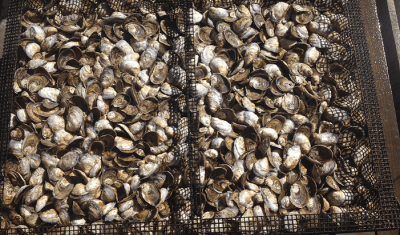
Like corals, oysters are considered ecosystem engineers. They have a unique ability to both physically and chemically alter their habitat. These bivalves are often a signal for healthy ecosystems because of their water filtration capabilities, since they can reduce water turbidity and pollution. Oyster beds also create habitat and act as a nursery for juvenile fish, providing foraging ground and protection from predators. Read More: https://www.climatehubs.oce.usda.gov/hubs/northeast/news/small-mighty-oyster-aquaculture-tool-improve-ecosystem-health
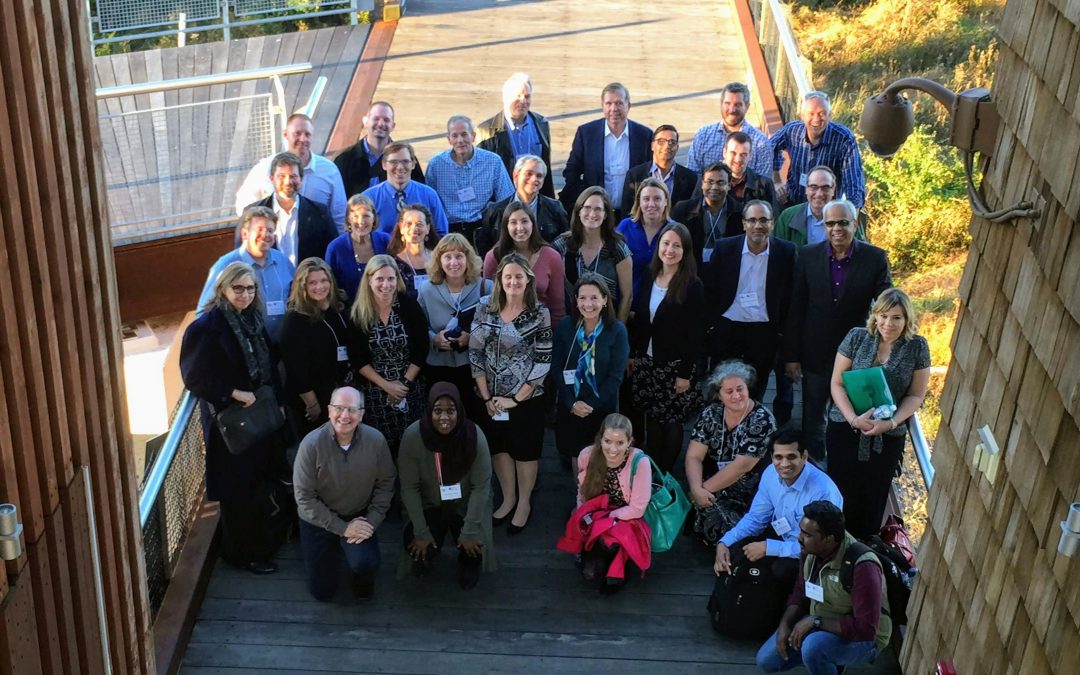
Project Director Kent Messer and Co-PI and Research Lead Holly Michael discuss how we must all work together to address the threats facing Delaware’s water, and how Project WiCCED can help lead these efforts, in an op-ed in The News Journal.